The best reciprocating saws for home mechanics make quick work of exhaust repairs, demolition, pipe cutting, lumber, and other demanding household projects. The right model depends on whether you prioritize portability, cutting power, battery compatibility, or low operating cost.
This roundup compares 10 cordless and corded options, from compact one-handed saws to higher-amperage tools and complete battery kits. Use the guide below to narrow the list by workload, workspace, and tool ecosystem.
Best 10 Reciprocating Saws for Home Mechanics Picks for 2026
Best Compact Pick
DEWALT ATOMIC One-Handed Reciprocating Saw

- Compact 12.5-inch front-to-back design
- Brushless motor with LED
- Tool-free release and pivoting shoe
Best For: Tight spaces and one-handed cutting
Best Corded Value
SKIL 7.5-Amp Variable Speed Reciprocating Saw
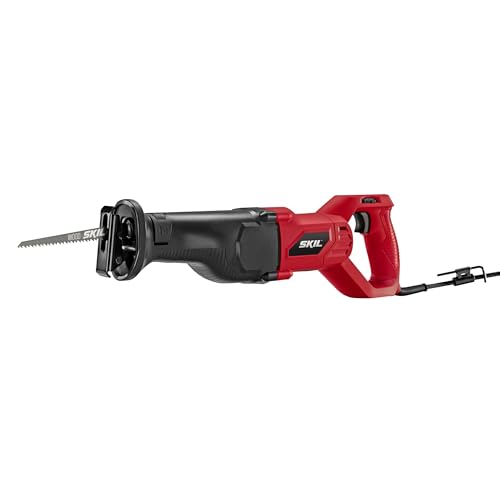
- 7.5-amp, 900-watt corded motor
- Metal gear housing
- Counterbalance and pivoting foot
Best For: Garage work near a power outlet
Best Cordless Starter Kit
BLACK+DECKER 20V MAX Reciprocating Saw

- Includes battery, charger, and blade
- Tool-free blade change
- 4.5-pound cordless design
Best For: Occasional garage and household cutting
Best Heavy-Duty Corded Pick
DEWALT 12-Amp Reciprocating Saw

- 12-amp motor for heavy-duty applications
- Four-position blade clamp
- 1-1/8-inch stroke and variable speed
Best For: Demanding workshop cutting near an outlet
Best Lightweight Pick
BLACK+DECKER 20V MAX Reciprocating Saw
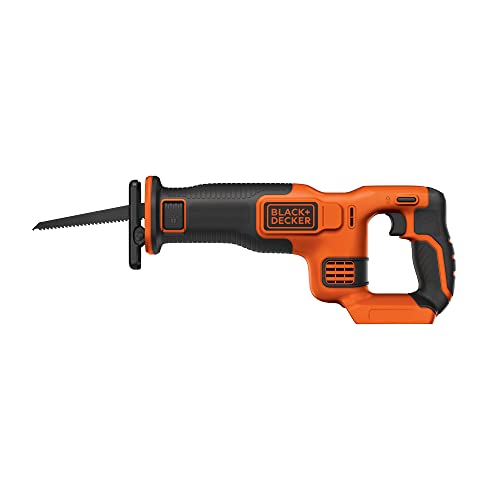
- Compact 4-pound cordless design
- Variable speed up to 3,000 SPM
- Battery not included
Best For: POWERCONNECT users handling lighter repair and workshop cuts
Best Complete Cordless Kit

- Two 4.0Ah batteries included
- Brushless motor reaches 3,500 RPM
- Six blades and accessories included
Best For: Portable, ready-to-use home repair and workshop projects
Best with Extra Features
DEKOPRO 710W Variable-Speed Reciprocating Saw

- 710W corded power with up to 2,800 SPM
- 20mm stroke and 115mm wood cutting capacity
- Includes four blades and tool-free blade changes
Best For: Mains-powered home workshops and mixed-material cutting
Best Battery Bundle
CORANEX Brushless Cordless Reciprocating Saw Kit

- Brushless 0-3,500 SPM variable-speed motor
- Two 4.0Ah batteries for less downtime
- Includes 11 blades, charger, LED, and case
Best For: Mobile repairs, yard work, and varied everyday cutting
Best Compact Pick – DEWALT ATOMIC One-Handed Reciprocating Saw
DEWALT ATOMIC 20V MAX* Reciprocating Saw, One-Handed, Cordless, Tool Only (DCS369B)
Check Price On AmazonFor home mechanics who need reciprocating saws for home mechanics work in tight areas, the DEWALT ATOMIC stands out for its compact 12.5-inch front-to-back design and one-handed format. Its brushless motor, LED, variable-speed trigger, and pivoting shoe add useful control for repair and cutting tasks.
Best For: Compact cutting and overhead or confined-space work where one-handed handling is useful.
Pros:
- Compact 12.5-inch design is easier to maneuver in tight spaces.
- Brushless motor is designed for increased performance.
- Tool-free blade release and variable-speed trigger simplify operation.
- Pivoting shoe and LED improve contact and visibility.
Cons:
- Battery and charger are not included.
- Supplied specifications list wood as the surface recommendation.
This is a practical choice when portability and access matter more than maximum corded power. Remember to budget for a compatible 20V MAX battery if you do not already own one.
Best Corded Value – SKIL 7.5-Amp Variable Speed Reciprocating Saw
The SKIL 9206-02 is a straightforward corded option for home mechanics who want consistent power without managing a battery. Its 7.5-amp motor, variable-speed operation, metal gear housing, and vibration-control counterbalance suit general cutting and repair work.
Best For: Workshop users who prefer corded power and a durable, uncomplicated saw.
Pros:
- 7.5-amp motor provides ample cutting power.
- Tool-less blade changes make swapping blades convenient.
- Metal gear housing adds ruggedness and durability.
- Counterbalance and pivoting foot help with vibration control and stability.
Cons:
- Corded operation limits mobility.
- At 7.1 pounds, it is heavier than the compact cordless DEWALT option.
The SKIL makes sense for a garage or workshop where an outlet is nearby. Its cord and relatively substantial weight are tradeoffs for a 900-watt corded motor and metal gear housing.
Best Cordless Starter Kit – BLACK+DECKER 20V MAX Reciprocating Saw
The BLACK+DECKER BDCR20C is a convenient entry point for home mechanics looking for reciprocating saws for home mechanics projects without buying a separate battery system first. This kit includes the saw, a 20V MAX lithium battery, charger, and blade, along with tool-free blade changes and variable-speed control.
Best For: Occasional household and garage cutting when a complete cordless kit is preferred.
Pros:
- Includes a 20V MAX battery and charger.
- Tool-free blade change speeds up setup.
- Pivoting shoe and variable-speed trigger support control.
- Lightweight 4.5-pound design is manageable for general tasks.
Cons:
- Only one reciprocating blade is included.
- Supplied specifications list wood as the surface recommendation.
- International versions may differ in fit, labeling, instructions, or terms.
For buyers starting from scratch, the included battery and charger make this more immediately usable than a tool-only model. It is best suited to occasional cutting rather than users seeking the heavier-duty specifications of a 12-amp corded saw.
Best Heavy-Duty Corded Pick – DEWALT 12-Amp Reciprocating Saw
For demanding garage projects, the DEWALT DWE305 brings a 12-amp motor and a 1-1/8-inch stroke length to the reciprocating saws for home mechanics category. Its four-position blade clamp, variable-speed trigger, and lever-action blade clamp provide flexibility for flush cuts and quick blade changes.
Best For: Heavy-duty cutting where corded power and blade-position versatility are priorities.
Pros:
- 12-amp motor is designed for heavy-duty applications.
- Four-position blade clamp supports flush cutting and added versatility.
- Variable-speed trigger allows instant speed control.
- 0-2,900 SPM and 1-1/8-inch stroke length support fast cutting.
Cons:
- Corded operation restricts use away from an outlet.
- At 8 pounds, it is heavier than the cordless models listed here.
- The package includes the saw and manual but no blade is listed.
This is the strongest fit for a workshop buyer who values cutting capacity over portability. Its heavier body and cord are reasonable tradeoffs for the 12-amp motor and four-position clamp.
Best Lightweight Pick – BLACK+DECKER 20V MAX Reciprocating Saw
BLACK+DECKER 20V MAX* POWERCONNECT 7/8 in. Cordless Reciprocating Saw (BDCR20B)
Check Price On AmazonFor home mechanics who want cordless convenience, the BLACK+DECKER BDCR20B is a compact option for cutting wood, nails, drywall, plastic, rubber composites, and more. Its variable-speed trigger, pivoting shoe, and tool-free blade change make it practical for occasional repairs and workshop tasks. The battery is not included.
Best For: Home mechanics who already use the BLACK+DECKER POWERCONNECT battery system and want a lightweight general-purpose saw.
Pros:
- Compact, 4-pound design is easy to maneuver.
- Variable-speed trigger delivers up to 3,000 strokes per minute.
- Tool-free blade changes and a pivoting shoe support faster, more controlled work.
- Electric brake adds a useful safety feature.
Cons:
- Battery and charger are not included.
- Its cordless runtime depends on the selected POWERCONNECT battery.
This is a sensible choice for lighter home-mechanic jobs where portability matters more than corded, continuous power. The interchangeable battery platform is especially useful if you already own compatible BLACK+DECKER tools.
Best for Everyday Use – GALAX PRO 6.0 Amp Reciprocating Saw
The GALAX PRO 120V reciprocating saw suits home mechanics who prefer steady corded power for plumbing repairs, demolition, and material cutting. Its 6.0-amp copper motor reaches up to 3,000 strokes per minute and is rated for wood, metal, PVC, and cast iron.
Best For: DIY users who need continuous power and a broad blade assortment for home renovation, plumbing, or metal-cutting work.
Pros:
- 6.0-amp motor provides consistent corded performance.
- Includes two wood blades and three metal blades.
- Tool-less blade changes and a pivoting shoe improve convenience.
- Heat-dissipation and cooldown features support extended use.
Cons:
- Corded operation limits portability.
- Its 6.0-pound listed current rating and larger housing may feel less nimble than compact cordless models.
- Only a one-year warranty is specified.
Choose this model when uninterrupted cutting matters more than cordless mobility. The included wood and metal blades make it a practical starter kit for varied household repairs.
Best Complete Cordless Kit – SEESII 21V Reciprocating Saw
The SEESII cordless reciprocating saw is built for home mechanics who want a ready-to-use kit rather than a bare tool. It includes two 4.0Ah batteries, a fast charger, six blades, a storage bag, gloves, and safety glasses, while its brushless motor reaches up to 3,500 RPM for cutting wood, plastic, and metal.
Best For: Buyers seeking a portable, well-equipped cordless setup for varied home projects and work in dim or confined areas.
Pros:
- Two 4.0Ah batteries help reduce downtime between cuts.
- Brushless motor offers variable speed up to 3,500 RPM.
- Built-in LED light improves visibility in dark work areas.
- Includes six blades, charger, storage bag, gloves, and safety glasses.
Cons:
- The supplied details list the item weight as 3.48 kg, so it may not be as light as the marketing description suggests.
- Replacement blades are identified separately rather than included in the standard kit.
This kit offers strong convenience for first-time buyers because the essential accessories and two batteries are included. The LED light, safety lock, and tool-free blade change add practical value for repair work around the home.
Best with Extra Features – DEKOPRO 710W Variable-Speed Reciprocating Saw
For home mechanics who want consistent power without managing batteries, the DEKOPRO 710W is a practical corded option among reciprocating saws for home mechanics. Its variable-speed trigger, 20mm stroke, and included wood and metal blades suit workshop repairs and general cutting jobs.
Best For: Home workshops with convenient access to a 230V-240V outlet and mixed wood, metal, or PVC cutting needs.
Pros:
- 710W motor with variable speed up to 2,800 SPM
- 20mm stroke and stated cutting capacities of 115mm in wood and 4mm in metal
- Tool-free blade changes, adjustable shoe, and four included blades
- Rubber-coated ergonomic handle with trigger lock
Cons:
- Corded design limits mobility compared with battery-powered models
- Designed for 230V-240V UK homes, so outlet compatibility matters
The DEKOPRO is a sensible choice when runtime and steady mains power matter more than portability. Its supplied blades and adjustable shoe also make it ready for varied home-mechanic tasks.
Best Battery Bundle – CORANEX Brushless Cordless Reciprocating Saw Kit
The CORANEX kit is a convenient pick for home mechanics who need cordless freedom around a garage, garden, or repair site. It combines a brushless motor, variable speed, two 4.0Ah batteries, and a broad blade selection for everyday cutting.
Best For: Users who value mobility, spare-battery convenience, and a ready-to-use kit for wood, PVC, branches, and thin metal.
Pros:
- Brushless motor with 0-3,500 SPM variable speed
- Two included 4.0Ah batteries help reduce charging downtime
- Includes 11 blades, charger, LED light, and carrying case
- Tool-free blade changes and ergonomic lightweight design
Cons:
- Battery-powered operation requires charging
- The supplied kit is aimed at everyday cutting rather than specified heavy-duty capacity
For reciprocating saws for home mechanics, this is the most complete cordless package in the group. The dual batteries and 11 blades make it especially convenient when switching between materials or working away from an outlet.
Best Simple Cordless Pick – 20V Variable-Speed Cordless Reciprocating Saw
This yellow cordless model offers a straightforward option for home mechanics who want portable cutting power for repairs, gardening, and general DIY. Its variable-speed control and tool-free blade change support work across wood, PVC, metal pipe, and other listed materials.
Best For: Home users seeking a mobile saw with included battery, charger, two batteries as listed, and blades for varied household jobs.
Pros:
- Cordless design improves mobility around the home or workshop
- 0-3,500 SPM variable-speed operation
- Tool-free blade changes and ergonomic lightweight handle
- Includes four blades and battery-and-charger accessories
Cons:
- The specifications list one included battery while the title states two batteries, so package contents should be verified
- Supplied details do not state a stroke length or cutting capacity
- Plastic handle may offer less premium feel than rubber-coated designs
Among reciprocating saws for home mechanics, this model is best viewed as a flexible, entry-level cordless tool. Its accessory package is useful, but shoppers should confirm the exact battery count before ordering.
How We Picked the Best Reciprocating Saws for Home Mechanics
We focused on features that matter during automotive maintenance, workshop repairs, remodeling, and occasional demolition. Our comparison considers power source, motor output, variable-speed control, stroke performance, handling, blade-change convenience, included accessories, and overall versatility.
Because home mechanics often work in garages, driveways, and tight spaces, we included both compact cordless tools and corded saws that can deliver consistent power for longer cuts. We also noted whether a listing includes batteries, a charger, blades, or a storage case, since kit contents can substantially affect value.
Quick Comparison
- Best for compact automotive work: A short, one-handed cordless model is easier to control around underbody components and confined spaces.
- Best for extended cutting: A corded saw avoids battery swaps and is well suited to workshop or garage use near an outlet.
- Best for cordless value: A kit with batteries, charger, and blades may cost less than building a platform separately.
- Best for occasional projects: A basic variable-speed saw can handle branches, lumber, plastic, and light metal without premium features.
Key Buying Factors for Reciprocating Saws for Home Mechanics
Power and Cutting Control
Amperage on corded models and voltage on cordless models provide a useful starting point, but speed control and blade selection matter just as much. Variable-speed triggers help you begin cuts cleanly and reduce damage to thin metal or plastic. Higher speed is useful for wood, while slower controlled strokes are generally better for metal.
Stroke Length and Speed
A longer stroke can remove material faster, while a shorter stroke may feel more manageable in tight areas. Look for a tool with enough strokes per minute for your typical materials, but do not choose speed alone: aggressive cutting can increase vibration and make precise work harder.
Handling, Vibration, and Access
Weight, grip shape, balance, and shoe design affect fatigue. Compact cordless saws are convenient for overhead or under-vehicle work, whereas larger corded models may be more comfortable for stationary cutting. A pivoting or adjustable shoe can improve stability as the blade engages different materials.
Battery, Blades, and Compatibility
Check whether the tool is sold bare or as a complete kit. Bare tools are attractive if you already own compatible batteries, but a kit is often the better choice for first-time buyers. Confirm battery availability and cost, and budget for blades designed for wood, demolition, or metal rather than relying only on the included set.
Who Should Buy Which Reciprocating Saws for Home Mechanics?
Choose a compact cordless saw if you frequently work around vehicles, tight framing, or locations without convenient power. Choose a corded model for long demolition sessions, repeated workshop use, or maximum consistency without charging interruptions.
Choose a complete cordless kit if you need a ready-to-use tool with batteries and accessories. Choose a budget saw for occasional home repairs, but prioritize a reputable warranty, comfortable handling, and readily available replacement blades. For frequent automotive work, spend more on control, vibration management, and battery capacity rather than accessories alone.